In the past few decades, the microbiome has become a hot topic (maybe not as hot as the store but you know it’s still pretty popular). Although people know it’s important, many don’t know how important or what it even does. So today we are going to focus on what is the gut microbiome, why is the gut microbiome important to your physical and mental/emotional health, and how can you optimize your gut health.
Let’s get started!
What is a microbiome?

Microbiomes are tiny ecosystems where bacteria, protozoa, fungi, and other microorganisms group together to live. There are microbiomes everywhere in nature.
Humans have multiple microbiomes on and inside of their bodies. We have an oral microbiome in our mouth. There is a microbiome on your nipple – there is, also, the skin microbiome which is separate from that. There is a vaginal microbiome. And, of course, we have the gut microbiome.
Microbiomes (for the most part) help to sustain the life of the organism they’re living on. It’s a symbiotic relationship where the microbiome feeds off of the lifesource and the lifesource benefits from the microbiome.
Sometimes, though, the microbiome consists of unhealthy microbial strains. This can cause dysbiosis which leads to health problems of the host.
There are many different things that can affect a microbiome.
What influences the microbiome?
Literally everything you do affects your microbiomes. And things that you didn’t even have control over have affected your microbiome! What your mother ate when pregnant with you affected how your microbiome was shaped. Whether you were born vaginally or via C-section and whether you were breast or bottle fed all affect how your microbiome was shaped before you even had a chance to do anything about it.
Sounds kind of unfair, right? Especially when some of these things had no other option.
Well, fortunately, as you grow, you can make decisions that alter your gut microbiome, too!
So here is a list (though probably incomplete as research is ongoing) of the different things in your every day life that affect the balance of bugs in your gut.
- Exercise
- Eat a healthy, nutrient-rich diet
- Make sure this includes fiber, healthy fats, polyphenols, prebiotics, postbiotics, and enzymes
- Get sufficient sleep
- Drink lots of water
- Manage stress levels
- Keep immune system healthy to avoid getting infections (viral, bacterial, and fungal)
- Where you live
- Genetics
- If you have pets
Now you’re probably thinking, what the heck does any of this have to do with my gut health?
I’m SO glad you asked!
You see, every single one of these things contributes to a healthy lifestyle. A healthy lifestyle keeps the good gut bugs on top and mitigates the growth of unhealthy ones. All of these things feed the good bugs and allow them to multiply and create more diversity of strains – this is a good thing!
So this is probably starting to sound like a lot of work, and you’re probably wondering if it is even worth it to worry about it.
So let’s talk about…
Why is the gut microbiome important?
A lot of things influence the gut microbiome, but the gut microbiome influences WAY more things than influences it. Your gut health affects
- Mood
- Mental status
- Emotional regulation
- Disease onset
- Disease development
- Disease severity
- Obesity
- Addiction
- Predisposition to diseases or conditions
- Immune health
- Ability to fight infections
- Energy levels
And a lot more. But for general information these are top issues that and unhealthy gut microbiome can contribute to.
A good rule of thumb is:
Good gut health = good overall health
Bad gut health = poor overall health
But how do microorganisms in your gut affect your overall health so drastically?

Your gut microbes main job is to extract nutrients from your food that your body normally wouldn’t be able to access. So the food goes through your digestive system and the nutrients are extracted via enzymatic breakdown then passed into your large intestine where your microbiome resides.
Your gut microbes take the food that has been passed through as “waste” and ferments it.
The fermentation process feeds the gut microbes. The microbes then release nutrients and biochemicals that are sent throughout your body via your bloodstream.
Healthy foods allow for happy, healthy microbes that provide your body with healthy chemicals, minerals, and nutrients.
Unhealthy foods make the microbes send out unhealthy chemicals and promote inflammation. This inflammation contributes to a leaky gut which allows the microbes to escape your GI tract. Then an immune cascade happens because your body senses an intruder and sends out cells to attack the bacteria that has escaped.
When your gut is continually leaking it promotes more inflammation that your body never gets to recover from. This means cellular overload and damage and eventually disease onset and progression.
Does it sound dramatic? Because it is and it affects your health and quality of life.
If you don’t want to risk your health, here are some ways to boost your gut health.
How to optimize your gut microbiome
You want to know the secret to good gut health?
Here lean in…
It may shock you…
*Whispers*
The key to good gut health is to lead a healthy life.
Excuse me what? That’s it?
Yep!! That’s it.
Make healthy lifestyle decisions and you’re on your way to a healthy gut!
That means:
- Get outside often – vitamin D from the sun, fresh air, and exposure to the dirt and pollen all boost your gut health
- Start gardening – not only will you get healthier foods, you get exposed to the microbes in your soil which is a great way to support your gut health
- Eat a healthy and diverse diet with lots of fresh (and in season) fruits, vegetables, seeds, nuts, and herbs
- Kick the addictions to the curb – that includes smoking, drinking, drugs, and sugar
- Quit being a couch potato – get your body up and moving
- Practice mindfulness and relaxation techniques to combat the ever mounting stress – this one is probably the hardest for us mamas and business owners. Schedule it in and make it a non-negotiable. Women are more likely to have IBS and other dysbiosis related conditions and truly I think our stress levels have a lot to do with it.
- If you wanna supplement, make sure they’re high quality. Some suggestions of good supplements include:
- Atrantil – natural, full of polyphenols, doctor created, and scientifically proven to help with IBS symptoms
- DigestZen TerraZyme from doTERRA this is enzymes to help break down foods
-
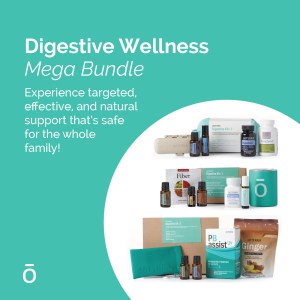 Wellness Program_Digestive Kit
- PB Assist+ from doTERRA this is a mixture of prebiotics (the best supplement for gut improvement) and probiotics in a unique capsule that actually delivers the probiotics where they need to get to as opposed to other probiotic delivery methods that it doesn’t get past your stomach acid
- Do things that make you happy – this reduces stress and has been proven to improve gut health
There are other ways you can improve your health, but these are the top ones. Got questions? Leave them in the comments and we will get back to you ASAP!
 Wholeistically You
2 Comments Add yours