So you’re getting yourself a massage. That’s so exciting! But you may be curious about what post-massage self care should look like.
We all know that getting massages is great for our body and overall health. But if we want lasting benefits from our massage, we are going to need to do some work to sustain those results. Here you will get some of the best ways to care for yourself after a massage and some things you should avoid doing.
At a glance:
- Hydrate, hydrate, hydrate. Drink plenty of water after your massage. It will help your muscles recover and remove any waste products that were worked out during your session.
- Stretch. Your muscles are warmed up and loose. Get extra benefits by stretching the muscles that are normally tight so they can learn their new (and better) resting position.
- Eat nutritious foods. Diet matters. Your muscles just got a workout and you want to provide your body with nutrients that can help your body repair itself.
- Don’t be afraid to use ice or heat on sore areas. A massage can sometimes cause soreness in areas that needed extra work. Support these areas by using ice or heat to help reduce inflammation and discomfort.
- Take a bath with Epsom salts and essential oils. Epsom salt and essential oils will help to restore health to your muscles and skin while continuing your relaxation.
- Address any emotions that came up. Sit down with a journal or voice recorder and work through any emotions that came up for you during your session. Releasing these feelings will help to remove the tension in your muscles that has been bothering you and help you to process the emotion to begin letting it go.
- Avoid alcohol and stress. You just did something to take care of your body, avoid the things that can cause more problems.
Why is post-massage self care important?
You might think that since you’ve had a massage, that’s all the self-care you need. You’ve ticked that self-care box and can move on with all the things you need to accomplish. But that isn’t necessarily true.
Massage helps your body to take care of itself.
- Your circulation is increased.
- Your muscles are being worked out — similar to exercise but not in quite the same way.
- Injured areas can begin repairing themselves.
- You begin to relax and reduce the circulation of stress hormones.
- You become more self-aware of where your body needs extra support.
But if you get a massage, and then go right into an intense workout or stressful situation, it can negate some of the work you just had done. So post-massage self care is very important to sustain the benefits.
So here are some of our top suggestions and why you should be doing them post-massage.
Why hydration after a massage is important
All types of massage help to improve your blood circulation. Specific strokes (especially effleurage) are directed at warming up the tissues and gently pushing blood toward the heart. This allows the heart and lungs to properly distribute oxygen more effectively to the tissues throughout the body.
Improved blood circulation helps with:
- Delivering oxygen and nutrients via the blood to the areas it is most needed
- Removing toxins from the body
- Decreasing circulating stress hormones
- Improvement of heart health and relaxation
To ensure the tissues, cells, muscles, and heart can effectively keep up with these changes, we need to be hydrated. All of our cells contain a high level of water. Our bodies are 80% water. So to allow each of these systems to continue removing toxins, increasing tissue repair, and allowing the blood to flow easier, hydration is a huge part of your post-massage self-care.
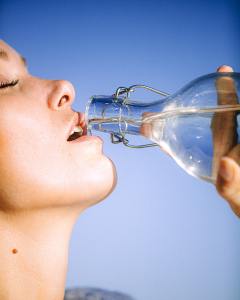
Water helps these tissues to support the circulatory system, muscles, and digestion. This means you have longer-lasting effects from your massage just by drinking water.
Why you should stretch after a massage
You might think it isn’t necessary to stretch after a massage. But if you tell your massage therapist any areas of tightness, discomfort, or pain before your massage, you definitely need to be stretching more often. After a massage, your muscle tissues are more relaxed.
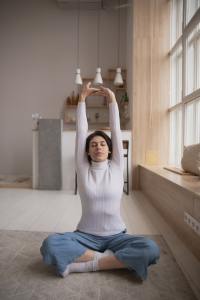
This relaxed state of your muscles makes them more malleable. So, that makes it easier for you to stretch AND lets the stretches have more impact. You can take a yoga class or just do some stretches at home.
If you have poor posture or muscle imbalances, this is the perfect time to start improving them.
Get into a habit of stretching after and between massages. This will help you reduce pain, and allow you to receive more relaxing massages in the future (plus your massage therapist will love you for it).
Another way to get yourself from one massage to the next is by using a foam roller. They’re a great way to reduce tight muscles, improve your flexibility, reduce pain, and remove trigger points and fascial restrictions.
Why nutrition matters after a massage
Since your blood is flowing better, it’s delivering nutrients and removing toxins at a more efficient rate. The quality of these nutrients matters. If you want your muscles and organs to be healthier, eating highly nutritious foods is the best way to support them after a massage.

Delivering high-quality nutrients to your body can also help to remove toxins and repair damaged tissues. These foods help to support your digestive system and microbiome as well which significantly reduces inflammation and positively impacts your overall state of health.
Eating foods high in unhealthy fats and sugars will make you feel sluggish and negate the work your massage therapist just did.
In addition to this, alcohol will cause dehydration and increase inflammation. So having alcohol after your massage may sound like a great way to relax more deeply, but it actually will have the opposite effect on your health.
Should I take a bath or shower after a massage?
You’ll find conflicting information on this throughout the internet. Taking a hot shower isn’t the best idea as it can promote more inflammation in the tissues that are now already inflamed.

However, taking a nice warm bath with Epsom salts and essential oils is one of the most luxurious post-massage self-care ideas you can choose. It’s a great way to support your muscles, relaxation, and mood. Some of the best essential oils for this are:
- Lavender
- Eucalyptus
- Ginger (this will make hot water hotter so use sparingly)
- Copaiba
- Cypress
- Geranium
- Bergamot
- Helichrysum
Should I use heat or ice on sore muscles?
Oftentimes I will tell clients to use what feels best for them. Sore muscles typically will be heat. Sore joints can be either heat or ice depending on what is causing the pain.
After a massage you can do hot/cold contrasts to really help the soreness and pain resolve. This is a hydrotherapy technique that I use for so many different reasons. (I offer this as an add-on therapy and it’s especially great when your seasonal allergies are flaring up)
What the hot and cold does is causes a pumping action to bring blood to the area and then flush it away. So what you’ll do is:
- Put heat on the area for 3 minutes (as hot as you can stand without burning yourself)
- Then put ice on the area for 1 minute (as cold as you can stand it without causing damage)
- Then repeat this 2-4 more times to get as much relief as you can
Alternating heat and ice is the best way to get the most benefit from your actions. But sometimes heat or ice alone feels like enough and that is okay too. Do what feels right for you and experiment to see what makes you feel the best.
Side note: you can do this in the shower too by having a hot shower and then at the end turning it cold (the gasping is normal at first because it shocks your system) but this is a great way to boost your immune system.
Address any emotions that came up
This is the most uncomfortable part of self-care. Addressing the things that make you cringe. Massage, especially in the shoulders or hips, can cause feelings to come up by causing a release in these areas. Our emotional pain is stored in our muscles and when it begins to release it can feel painful or cause you to want to cry.
This is a normal process and something that shouldn’t be stuffed back down. If you feel like you are experiencing this, you can let your therapist know, but it isn’t in our scope of practice to help you work through this as massage therapists. Some ways to explore this would be journaling, speaking about it into a voice recorder, talking to a trusted friend or family member, or talking to a psychologist. They can help you sort through the trauma so you can let go of it and move on without the physical, mental, and emotional restrictions.
I offer emotional coaching outside of massage therapy. Using a proven process and essential oils we will work out the emotions, talk through your beliefs, and create a path that serves you better. It’s a gentle way of working through these emotions and allows you to control when and how you release them with the gentle support of your essential oils.
Know when your next massage is
Setting up your next appointment from the get-go is a great way to support your body post-massage. You can relax more knowing that you have another session to look forward to. Your brain will allow your body to relax knowing that you aren’t alone in your healing journey. Set up an appointment before you leave your session.
Inquire about the loyalty programs offered by your massage therapist. Many will offer discounts for scheduling ahead of time or for purchasing packages. This can lessen your financial burden and let you take care of yourself even better.
What is your favorite post-massage self-care choice? Let us know in the comments!
 Wholeistically You
One Comment Add yours