If you’ve ever looked at a spa menu, you’ve probably seen “Swedish Massage” as an option. But unlike cupping or sports, its name doesn’t really tell you what to expect. Swedish massage is an extremely beneficial massage and here you will find out why and if a Swedish massage is the right massage for you!
Origins of Swedish Massage
Swedish massage dates back to the 1800s. A Swedish fencing instructor named Per Henrik Ling was trying to remedy elbow pain when he developed the strokes we use in Swedish massages to this day. He moved on from just elbow pain to incorporate other limbs and ended up with a full massage routine to benefit himself and his students.
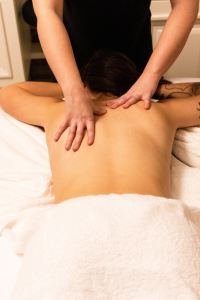
Swedish massage is the most commonly booked massage in the Western world today. But even though it’s the most common, many of us may not know exactly what a Swedish massage is or what the goals of it are.
What is a Swedish Massage?
Swedish massage is often referred to as relaxation massage. The goal is to promote relaxation and circulation. That’s a pretty interesting concept considering when we think about boosting circulation, we think about exercising which is quite the opposite of relaxing.
But the increase of circulation, while lying down, and the fact that the strokes are slow and long allows the nervous system to calm. Meanwhile, the circulation is able to move more easily because your body is lying flat.
When we lay flat down our heart doesn’t have to work so hard to get the blood up to the brain and to the extremities.

The blood circulation is delivering needed nutrients and oxygen throughout the body to allow it to heal itself. The healing can help with repairing injuries, fighting immune system compromises, and reducing stress-related inflammation.
The three main types of movements in a Swedish massage include:
- Effleurage (long, gliding strokes) – which help to push the blood flow toward your heart. Effleurage helps to warm up the tissues so they are more easily manipulated. These strokes can be light or deep pressure and can be modified to your preferences. Don’t be afraid to let your massage therapist know if the pressure is too deep or too light.
- Petrissage – helps to separate the tissues by gently pulling the muscles away from the bone. This increases blood flow to this area and helps to remove toxins, stagnant tissues, and adhesions.
- Tapotement (gentle chopping or patting) – helps to end a massage and stimulate the body to know it is time to wake back up.
Swedish massages are a great way to improve relaxation and energy at the same time. A mid-day Swedish massage can promote productivity and a sense of focus you may not have had prior.
Benefits of Swedish Massage

Some of the benefits of Swedish massage have already been stated above, but these are not the only ones. Some of the other suggested benefits of Swedish massage include
- Better sleep quality
- Easier stress management
- Improved symptoms of anxiety and depression
- Reduced pain
- Better circulation leading to a potentially healthier heart
- Improved blood pressure
- Helpful adjunctive therapy to cancer treatments
- Less pre-menstrual syndrome (PMS) symptoms
When to not get a Swedish massage
All of these benefits make it seem like something everyone should be getting. However, there are some people who should not receive Swedish massages.
If you have a history of blood clots or any blood clotting disorders you should not receive a Swedish massage. Because of the increased circulation, there is a potential for the blood clot to dislodge and move freely through your body. So unless you have doctor clearances, you should not receive a Swedish massage if you have a blood clot.
Similarly, if you have a heart condition that prevents you from exercising or doing other tasks that can overwork your heart, you should not receive a Swedish massage.
If you have uncontrolled blood pressure or diabetes you should not book a Swedish massage.
If you get pitting edema from any conditions you have, you cannot receive a Swedish massage until the edema is no longer pitting.
Infections of any kind should also avoid getting a Swedish massage until it is under control.
When should I get a Swedish massage?
Truly, you should get a Swedish massage several times a month. A study has shown that getting a Swedish massage 2 times a week was effective in helping control anxiety.
Realistically not many of us will be getting massaged that frequently.

Although I have to say it does make a huge difference if you do try it. During massage school, we had a class where we needed to receive massages twice a week. And let me tell you, I never felt better in my entire life than during that semester!!
Getting massaged 1-2 times a month can be enough to help you manage your pain, stress, anxiety, depression, and sleep routines. Weekly is ideal, but inflation kind of put a damper on that.
If you’re looking to get massaged on a more regular basis, reach out and ask about the packages we offer. We understand that not everyone can afford massages weekly, but we do our best to try and meet you halfway.
Looking to schedule a massage? Send an email to crystal@wholeisticallyyou.com and we will get you set up right away!
 Wholeistically You
3 Comments Add yours