If you’ve ever been to a spa, you’ve probably seen the mile-long service menu. There are so many different services to choose from that it can feel overwhelming – especially if you are new to that environment. To help you decide, I’m going to give you a quick description of the different types of massage you’ll see and how to pick the right one for you that way you never have to ask (and be confused over) “what type of massage should I get”?
Swedish Massage
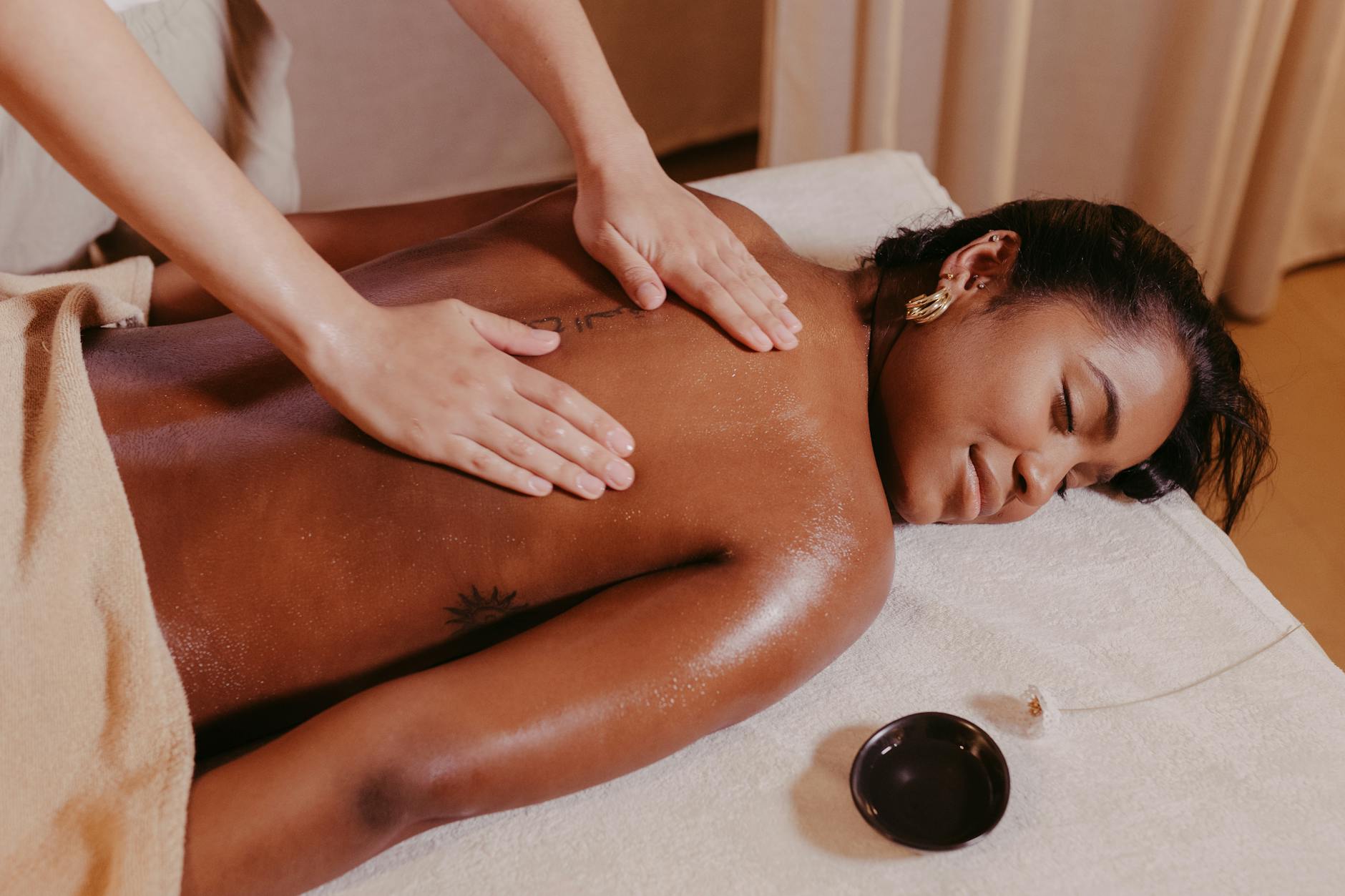
Swedish is a circulatory massage. It is often used for relaxation more than anything. While you can get some kinks worked out during a Swedish massage, the main goals are to improve blood flow circulation and help you relax.
Swedish massage can use any pressure but usually light to medium pressure. Some places will bump you up to a Deep Tissue Massage if you want deeper pressure.
A Swedish massage typically follows a routine of long, flowing strokes that help push the blood towards your heart. This helps to improve blood circulation, oxygen delivery, and the removal of toxins. Studies show that it can even help with disease prevention.
Swedish massage is for you if you want to relax, have poor circulation, need help sleeping, or want to better manage stress.
Swedish massage is not for you if you have uncontrolled health problems (diabetes, blood pressure, etc.), if you want deep pressure, if you’re looking to improve an injury, or have health problems where your doctor says you cannot receive circulatory treatments (i.e. congestive heart failure, kidney problems, etc).
Hot Stone Massage
Hot stone massages are great for extra relaxation. Much like a Swedish massage, they will follow a routine and the strokes will often move blood towards the heart.
Your therapist will use the hot stones as an extension of their hands and glide them along your muscles for deeper relaxation without the extra pressure.
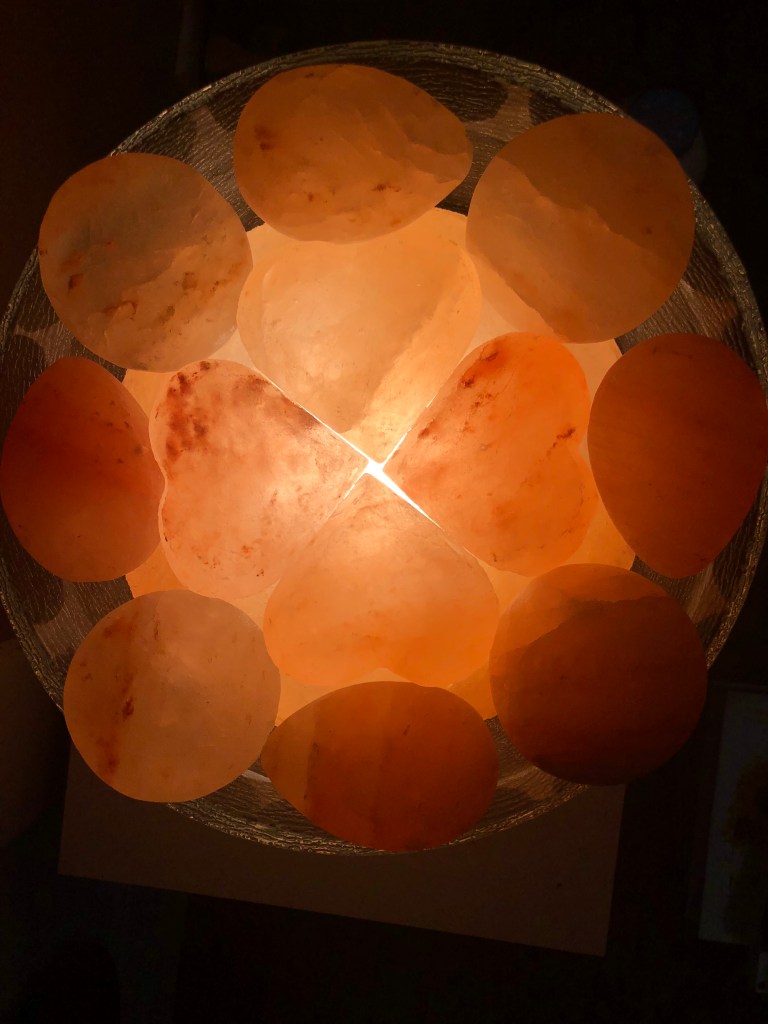
The hot stones are usually either basalt stones or Himalayan salt stones while some use riverbed stones.
- Basalt stones are sometimes called lava stones. They are made when lava cools quickly. They are very porous rocks which means they have small holes on the surface of them. They’re very smooth to the touch and hold deep heat (I mean, how could they not when they’re made from lava!). Basalt stones are typically heated in water because it’s the easiest way to test their temperature. They are cleaned in many different ways (most commonly soap and/or isopropyl alcohol) and should be done between clients.
- Himalayan salt stones are made from (you guessed it!) Himalayan salt. They’re a beautiful pinkish-orange color and make a really nice room decoration even if you aren’t using them for massages. If you’ve heard of halotherapy, this is part of it. Himalayan salt has detoxifying properties that help to remove toxins. Being that they’re salt, the edges can be a little rougher than the basalt stones, but if you enjoy an exfoliation, this can be a benefit. They’re naturally antimicrobial so they don’t hold onto bacteria like the basalt stones can. This allows for easy cleaning between clients with a quick wipe-down. However, I (and other therapists who like to ensure cleanliness) like to use Deacon-30 to clean them. This ensures they don’t have any bacteria or skin cells from the previous person attached during your session. They cannot be cleaned or soaked in water since it would disintegrate the salt so they are heated with warming lightbulbs.
- Riverbed stones are again exactly what they sound like, stones found in a riverbed. If you’ve ever gone to a river and picked the smoothest flattest stone for skipping across the top of the water, you were looking for similar stones that a massage therapist would. While we like the thicker ones, that smoothness is what we look for. The main concern with these stones is that they may not be all the same stone type so warming can be difficult as some will heat up more than others. You can clean the stones when you get home, but with water pollution being on the rise, they may not be the safest option either. Most places don’t use these anymore, but it never hurts to ask.
Hot stone massages are great for achy muscles, arthritis that feels worse with cold weather, and athletes wanting to recover from a hard workout.
People who shouldn’t get hot stone massages are pretty much the same group as Swedish massage. (high blood pressure, cardiovascular diseases, kidney diseases, and diabetes) In addition, the following conditions can be negatively impacted by hot stone massages. While those with kidney issues should get clearance from their doctor before receiving a hot stone massage, studies show that hot stone massage helps hemodialysis patients get better quality sleep.
- Epilepsy
- Pregnancy (spot treatments with stones for aches should be fine, but not full body)
- Autoimmune conditions
- Diabetes
- Cancer
- Neuropathy and other conditions that cause numbness or an inability to sense if the heat is too hot
- Sensitive skin – though I have sensitive skin and love them, however, I tend to avoid them if I’m in an eczema flare
- Recent surgeries
Please speak up to your massage therapist if the stones are too hot. Rather than “feeling the burn” or “sucking it up” if it’s too hot the stones can leave burn marks on your skin. Let your massage therapist know if it is too hot or uncomfortable. They should ask you during the session, but in the rare case that they don’t, speak up for yourself.
Sports Massage
Sports massage is great for athletes and those with an active lifestyle. However, it’s also great for everyone else too. My favorite description from a client was they loved that my massages were 3-dimensional. I still laugh thinking about it to this day, but it’s truly the best description for a sports massage.
Sports massage includes multiple modalities that help the muscles to perform better while releasing lactic acid. That means a sports massage will include:
- Long strokes to promote blood flow
- Stretching of your muscles and joints to help with range of motion and muscular length (this helps with imbalances in strength and muscle length to help reduce injury risk)
- Neuromuscular therapies like myofascial release and trigger point therapy
- Hydrotherapy (hot and cold) to help flush out stagnation in specific restricted areas
- Scar therapies
- Cupping
- Kinesiotaping
Sports massage is basically a massage that helps your body perform and move better.
Most anyone can get a sports massage, but those with cardiovascular conditions, hypermobility, surgical history, or restricted joint movement/injuries, please let your therapist know about any of these conditions before this massage. Also, it’s best to get a doctors note clearing you if you have a cardiovascular condition or a recent surgery.
Thai Massage
Thai massage was dubbed “lazy man’s yoga”. It’s a type of massage that, like sports massage, incorporates a lot of stretching. Thai massage also uses the guide of meridians, or energetic flow channels, throughout the body to help release physical and energetic blockages.
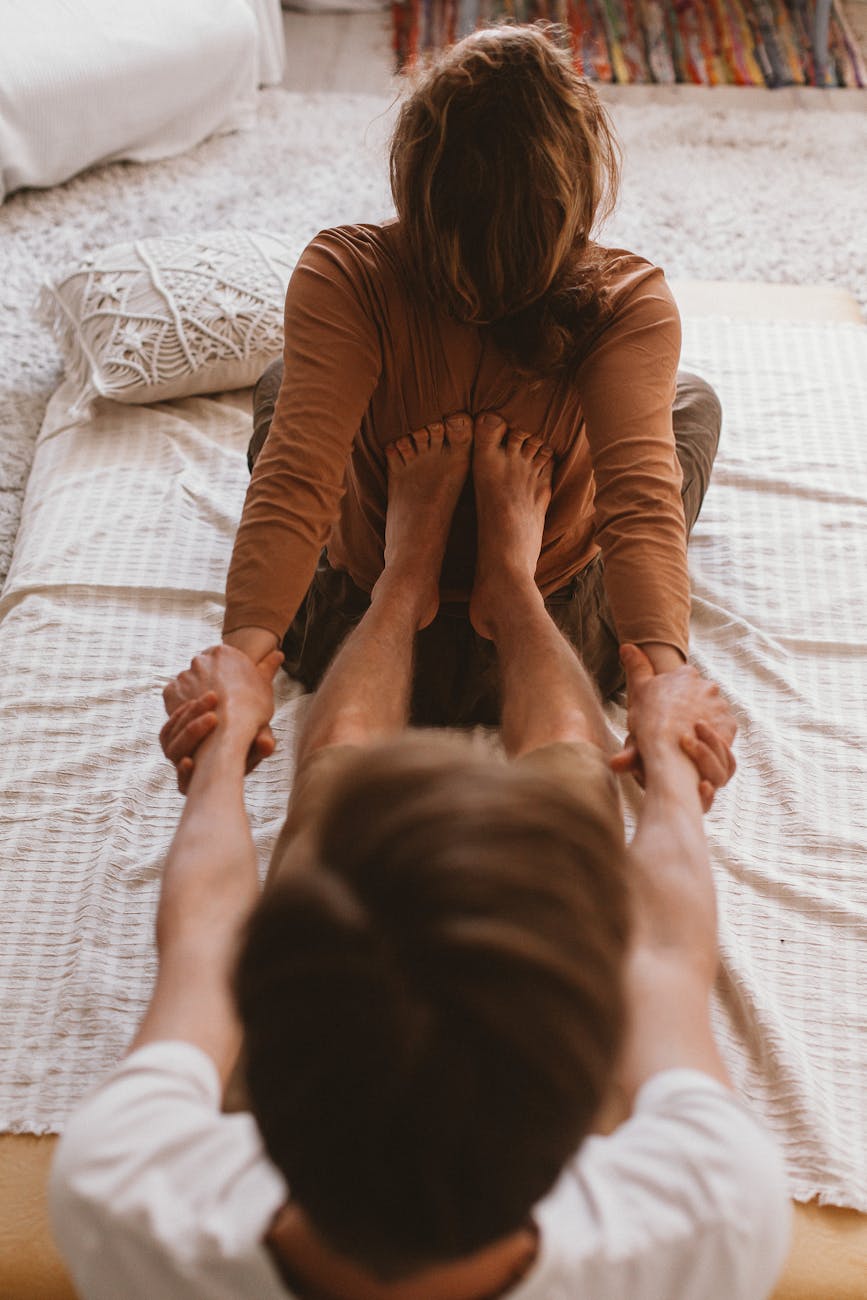
Thai massage can be done on the table or on a mat on the floor. The therapist often uses their body to help with pinning down the meridian while stretching the muscles. It is a deeply relaxing massage but can be uncomfortable for some who are new to the modality. However, the benefits are fantastic and worth getting comfortable with. A study found that chronic pain was relieved for 15 weeks after receiving traditional Thai massage.
While this isn’t a form of massage that I offer, it’s one I’m looking to add to my studies and one that I know several therapists that I can refer you to for a session.
Thai massage is generally safe and as long as your therapist knows about health conditions, injuries, or if you are pregnant, they can adjust the massage to deal with these conditions.
Deep Tissue Massage
Deep tissue massage is conflicting for me. While many places upcharge for the service because it’s more work for the massage therapist, I don’t see much difference between it and a Swedish massage.
I don’t charge extra for deep pressure simply because I’m not going to use extremely deep pressure on every single part of your body. It’s not realistic to expect extremely deep pressure on certain areas because it can cause injury. However, the areas that need the deeper pressure will receive that when it’s necessary if that’s your preference.
So while this section isn’t super helpful for understanding booking a deep tissue massage in a spa setting, if you’re receiving massage from me personally, just ask for different pressure levels at the beginning or during your massage and I can adjust accordingly.
Manual Lymphatic Drainage (MLD)
Manual lymphatic drainage (MLD) isn’t really a massage. It can be provided by massage therapists but we aren’t manipulating the muscles making it not qualify as a massage. MLD works on moving your lymphatic fluids through the lymph system at a more functional rate.
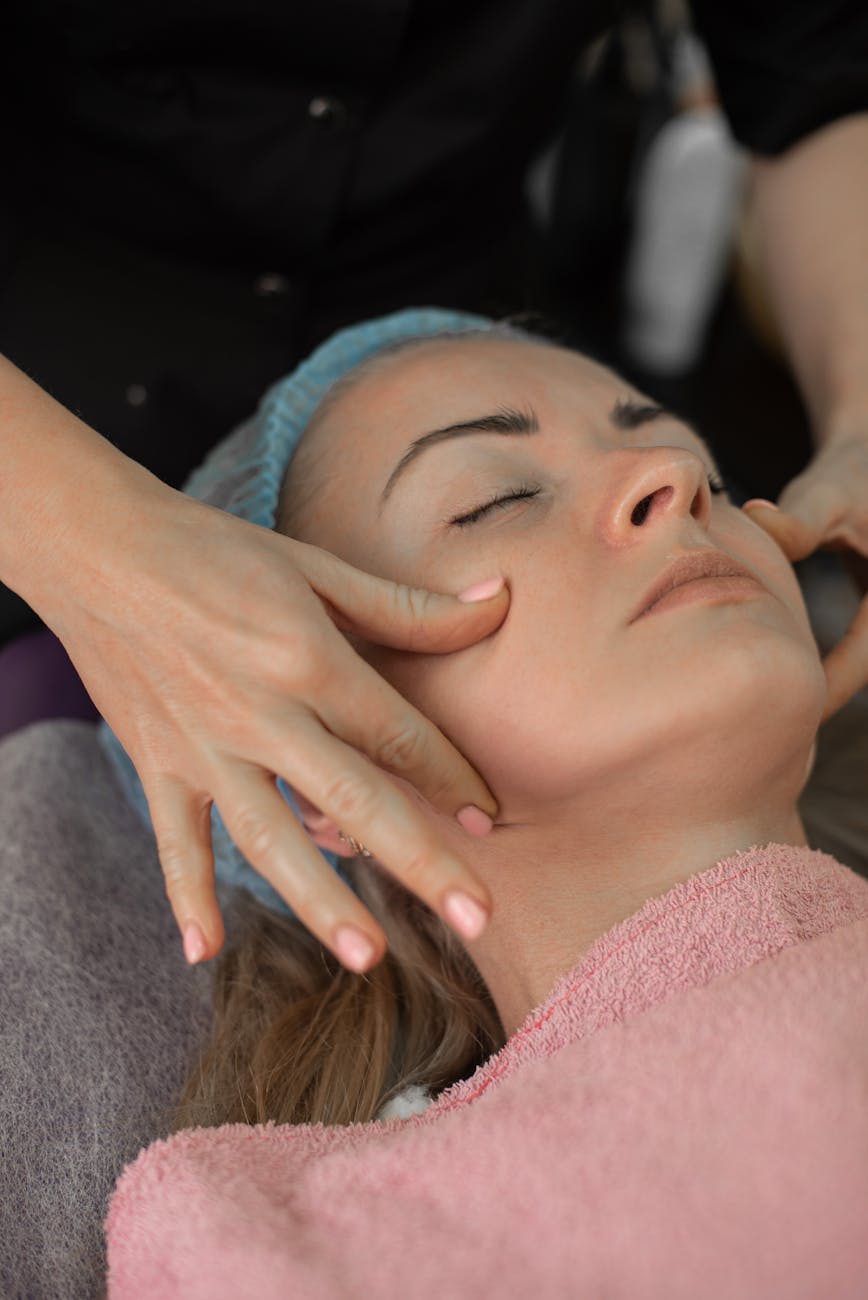
We start by stimulating the reception areas of the lymphatic system and continue by using specific strokes to guide lymph to those sites for filtration. This will be a much lighter touch than massage therapy as the lymphatic vessels and capillaries are right below the skin and too much pressure will stop the flow instead of support it.
Manual lymphatic drainage is helpful for people who experience lymphedema, allergies, autoimmune conditions, or those who have had surgeries. It’s great for supporting your overall health and helps boost your immune system function.
People who have cancer, heart failure, or kidney failure should not receive MLD without a doctors note. Your lymph typically moves through your system at a rate of 10-12 beats per minute. After an MLD session it’s moving at a rate of 100-120 beats per minute. This increase can stress the body of people in kidney failure, heart failure, or with certain types of cancer.
In Pennsylvania, massage therapists cannot accept insurance for MLD sessions. So if you have a prescription for it and want to use insurance, you would have to receive MLD from a physical therapist who is certified in MLD instead.
Therapeutic Massage
Therapeutic massage can differ from place to place, but it typically is a goal-oriented massage. You’re treating an issue and using multiple modalities to achieve that goal. This, MLD, and hot stone massages are the only services I offer because truthfully, when you book a therapeutic massage it should be able to cover whatever you want to achieve that day.
Whether that is relaxation, injury recovery, a kink in your neck, recovery from a workout, or anything else, I feel that getting a therapeutic massage helps in any situation. As a massage therapist, I am required to complete hours of continuing education every two years. I learn SO MUCH in these classes and I want to share that with my clients. There are so many amazing treatments and modalities out there that can support your body’s needs and I don’t feel like you should be upcharged for that. So whatever your body needs that day, we will incorporate. That can include any or all of the following (and probably more because I might’ve forgotten one or two):
- Hydrotherapy
- Aromatherapy
- Deep tissue
- Sports massage
- Stretching
- Trigger point therapy
- Scar tissue treatments
- Spot treatments with hot stones
- Cupping
Therapeutic massage is what meets you where you are and takes you to where you want to be with your health.
MLD is a totally different modality than massage and treats something totally different than a massage will. While both are completely beneficial to your health, each one is for a specific goal.
Hot stone massages require me to come prepared with the hot stones and offer a different type of relaxation for you.
These three services are important for your mental, physical, and emotional health. If you’re looking to schedule an appointment, send an email to crystal@wholeisticallyyou.com, call/text (570)401-6858, or book online.
I hope this helped you to decide what your next massage treatment will be and if that’s with me I can’t wait to help you heal soon!
Don’t see a massage you’d like to know more about on this list? Comment it below and I’ll let you know more about it!
 Wholeistically You