Eucalyptus essential oil is a great oil to have in your toolkit. It’s versatile and can be used for a lot of different things. Today we are going to dive into what eucalyptus oil is, what it’s used for, what kind of benefits you can expect from using it, and when to avoid using it. Plus I’ll share some of my favorite blends incorporating this herbaceous and calming oil.
What is Eucalyptus oil?
Eucalyptus oil is an essential oil that is made from the leaves of the eucalyptus tree. You know the tree you picture koala bears climbing on and eating the leaves? Those are the leaves we are talking about today!
The leaves and stems are chopped up and placed in a distillation machine. This machine uses water and steam to release the oil and other products from the plant material. From here the oil is separated from everything else and continues to get ready to be bottled.
The quality of the oil will depend on a few things like: farming practices, if it is growing in an Indigenous area, when the plant material is harvested (is it at its peak or too early), distillation quality, bottling practices, if it’s pure essential oil or if it’s been diluted with a carrier oil, etc.
There are many different species of eucalyptus trees (more than 7,000 actually). Blue gum eucalyptus – scientifically known as eucalyptus globulus – is the most common eucalyptus tree used for distilling essential oil.
doTERRA’s version of eucalyptus oil uses three different species of eucalyptus trees including:
- Eucalyptus radiata
- Eucalyptus polybractea
- Eucalyptus kochii
- Eucaluptus loxophelba lissophlia
- Eucalyptus globulus
The areas they cultivate the eucalyptus are Rwanda, South Africa, and Australia.
What are the benefits of eucalyptus oil?
Eucalyptus oil has been used for ages for multiple health benefits. Here we will look at what science can offer us as benefits of using eucalyptus oil to support our health.
Polyphenols, Antioxidants, and Other Phenolic Compounds of Eucalyptus Species
Since essential oils are derived from plants, they offer our bodies the wonderful benefits of polyphenols and antioxidants. Eucalyptus oils contain the following superpower phytochemicals:
- Quercetin
- Ellagic acid
- Rutin
- Chlorogenic acid
- Catechin
- Flavonoids
- Hydroquinone
- Naringenin
- Gallic acid
- Hyperoside
Other parts of the plant offer different phenolic compounds as well.

Polyphenols and antioxidants are an important thing to expose our bodies to because they help fight inflammation and oxidative stress that our current environments, diets, and schedules need. By harnessing their potential, we help to reduce the stresses and inflammation that lead to many diseases. Many studies have found that using plant byproducts can help reduce the incidence of diseases like diabetes and cancer.
Relax with Eucalyptus Oil
There is a reason many spas use eucalyptus oil – it is a highly relaxing scent. While it has a fresh scent similar to minty oils, it has a calming aspect to it as well.

In addition to other essential oils, eucalyptus oil was found to promote relaxation and reduce systolic blood pressure. The prefrontal cortex and brain activity were stabilized during this study indicating positive effects on the parasympathetic nervous system and our ability to process what is going on around us.
Another study found that eucalyptus oil was able to help reduce anxiety for patients before, during, and after surgeries. This is extremely beneficial for future studies to reduce the amount of medications needed during surgeries.
Eucalyptus oil can help with pain
In a day and age where pain medication is overprescribed and overused, it is essential (no pun intended) to find alternatives for pain management.
While the research is conflicting on this aspect, there does appear to be potential for the use of aromatically using eucalyptus oil for pain. One study found that patients with rheumatoid arthritis (RA) who inhaled eucalyptus oil experienced reduced pain and better quality of life. Pain conditions like RA are known to cause a reduction in the quality of life which can lead to worsened mental health. So this is great information for those with chronic pain conditions like RA. It should be noted that the pain levels decreased in the 3rd and 4th weeks of treatment, so if you plan to use eucalyptus oil as your pain killer, know that it will take consistency to see the results you want – once and done treatments are not what we are talking about here.
Another study indicated that eucalyptus oil inhalation helped reduce pain and blood pressure levels after total knee replacement surgery.
In another study, when paired against no treatment and lavender oil, eucalyptus oil did not do much for pain in chemotherapy patients. Lavender oil was the winner in this instance (which is an amazing oil to pair with eucalyptus oil for many reasons).
The differences that I noticed between these studies which may have affected the outcomes were that the RA study lasted for 1 month. The cancer treatment study did not say how long it lasted, but since the RA study noted 3-4 weeks for the treatment to be successful this may have something to do with the results difference. Also, the RA group inhaled eucalyptus oil for 5 minutes while the cancer group only inhaled for 3 minutes. This may have affected the results as well. Either way, more research is needed to figure out the specifications on using eucalyptus oil for pain management.
Eucalyptus for Cold and Allergy Symptoms
Eucalyptus is a go to for cold and allergy season in my house. It’s in pretty much anything I’m going to use to deal with stuffy noses and coughs.

Studies have shown that eucalyptus is helpful for the following health-related conditions:
- Colds
- Pulmonary tuberculosis
- Nasal congestion
- Sinusitis
- Bronchial disease
- Asthma
- Respiratory tract infections
- Disinfectant for wound care
While eucalyptus oil cannot cure any diseases, those that specifically deal with inflammation can benefit from the use of eucalyptus oil.
How to Use Eucalyptus Oil
There are many ways you can use eucalyptus oil but the most effective are topically and aromatically.
If you want to use eucalyptus oil for relaxation, mix it with lavender oil. This can be used in the bathtub or diffuser, as a room spray, or made into a roller bottle.
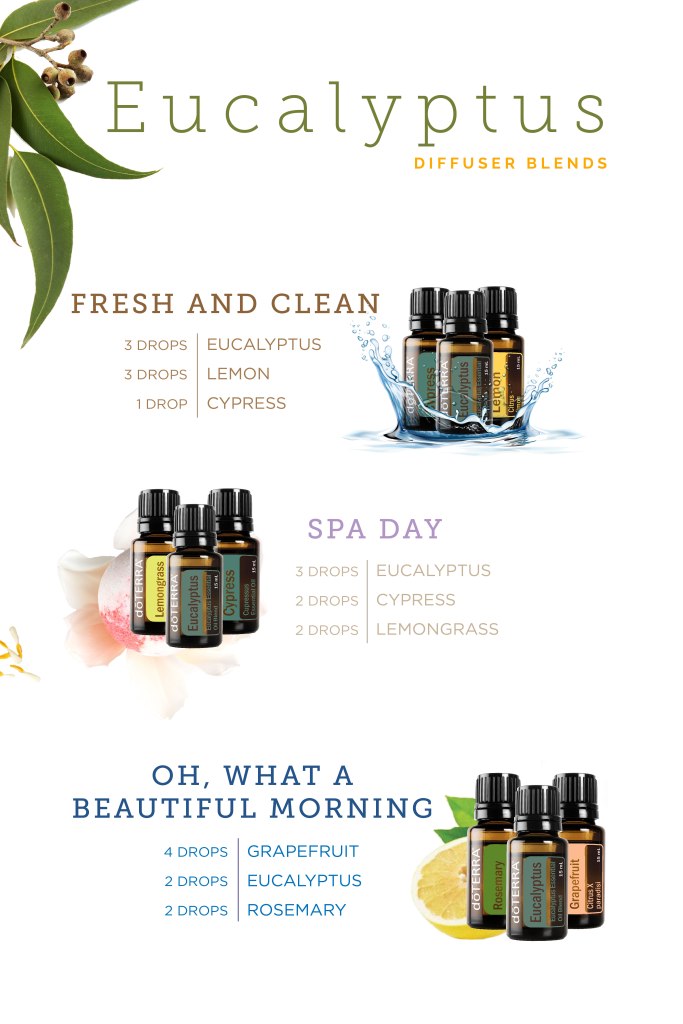
If you want to use eucalyptus oil for pain, add it to a bath with Epsom salts and lavender oil, diffuse it in the air, or create a roller bottle with other oils to support the specific pain you’re having (peppermint, lavender, copaiba, or frankincense are great options).
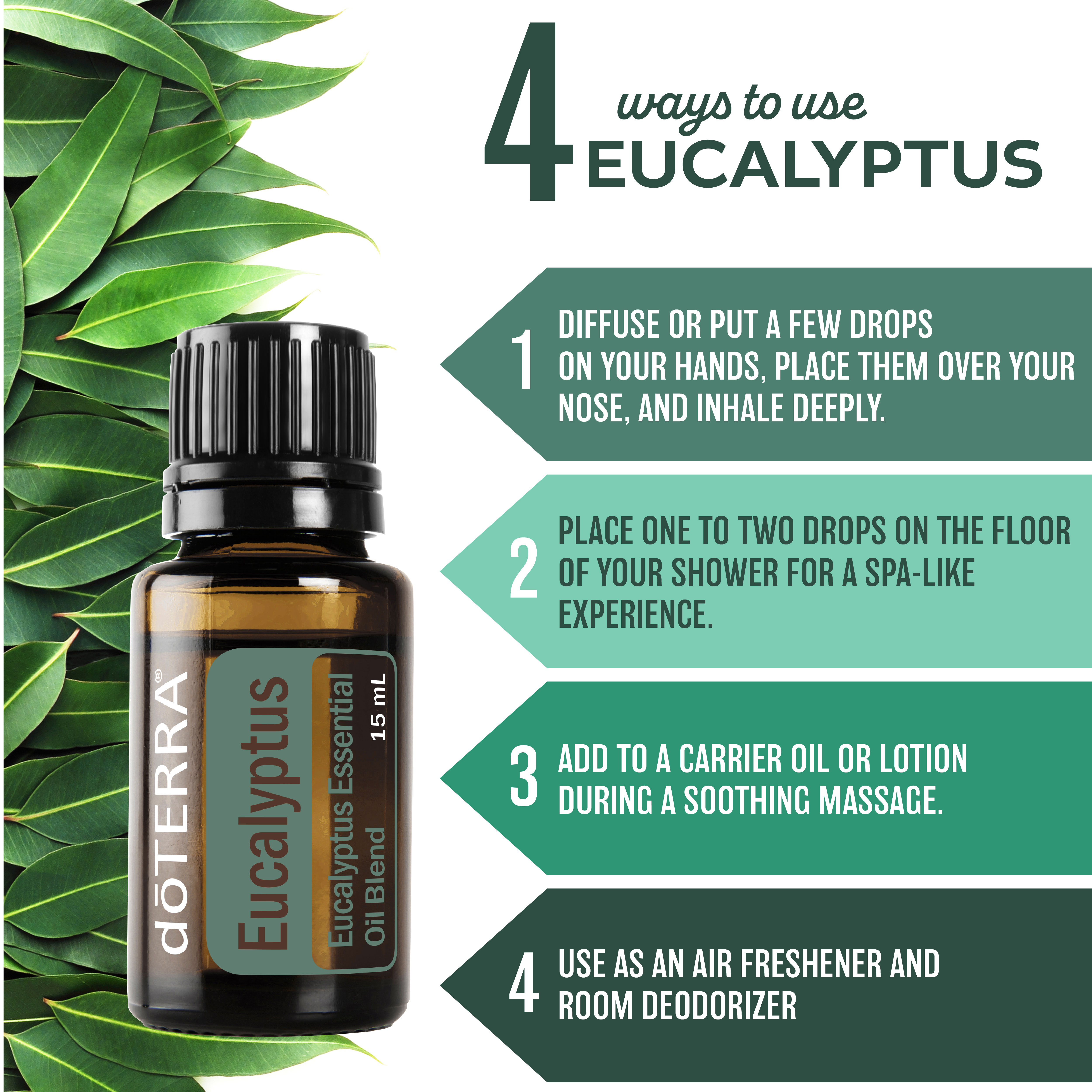
If you want to use eucalyptus oil for respiratory health, you can add it to a bath, diffuse it, or make a roller bottle. Eucalyptus can pair well with other health-supporting oils like oregano, ginger, cinnamon, OnGuard, lavender, or lemon oils.
For baths, put up to 3-5 drops (total amount not per oil used) of oils for children, and for adults, you can use 8-10 drops in total.
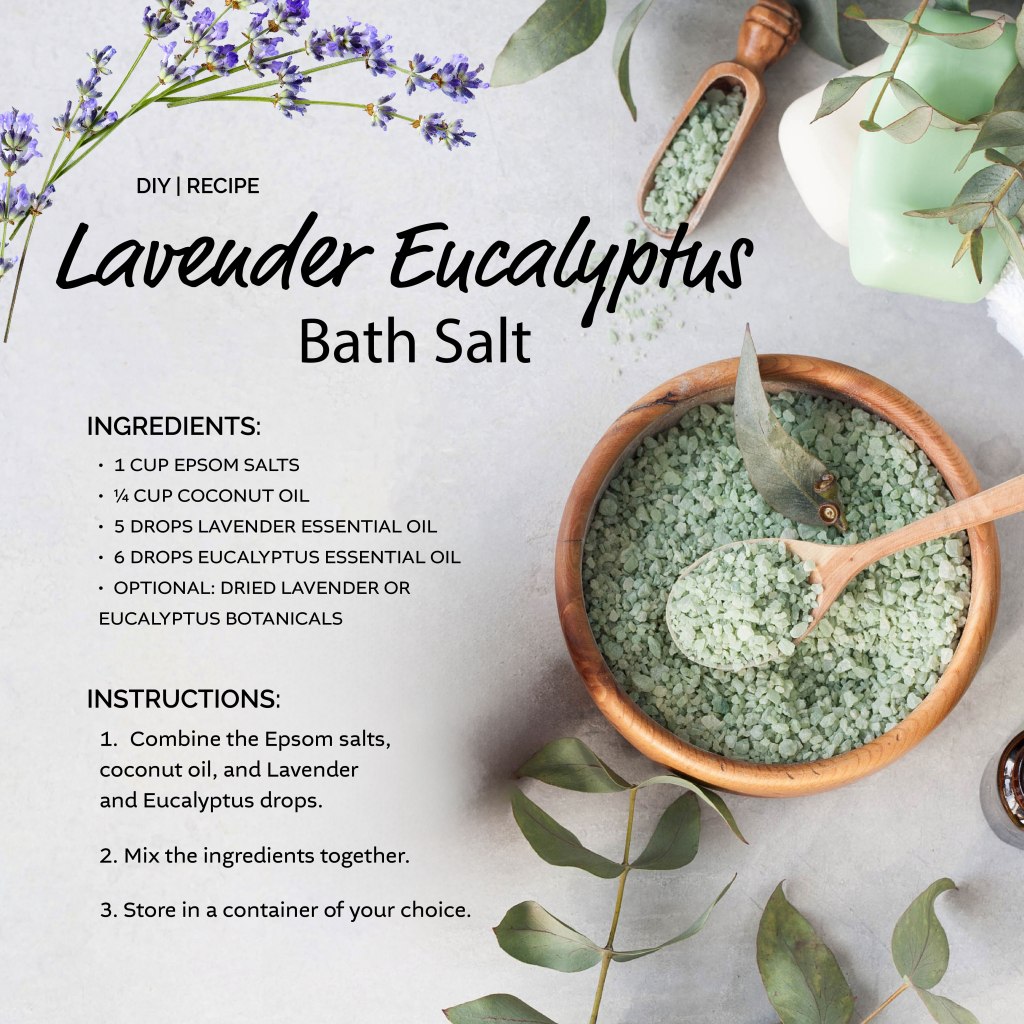
For roller bottles, it will depend on the size of your roller bottle. Make sure to top your essential oils with a carrier oil like MCT, fractionated coconut, olive, avocado, almond, or any other oil you prefer. This helps protect your skin and prevent negative reactions. I’ll do another article on how to properly dilute your essential oils using an easy-to-follow dilution equation.
*Photos with suggested eucalyptus oil uses are from doTERRA website.
Concerns with Eucalyptus Oil
Eucalyptus can be overused.
While there are eucalyptus teas, EUCALYPTUS OIL SHOULD NEVER BE TAKEN INTERNALLY.
Eucalyptus oil can become dangerous if it is consumed internally, even if it is from a company that makes safe to ingest essential oils. If an oil blend contains eucalyptus do not consume these either. Symptoms of eucalyptus poisoning include:
- Rapid, shallow breathing
- Burning sensation in the mouth/throat and difficulty swallowing
- Rapid and weak heartbeat
- Small pupils
- Low blood pressure
- Muscle weakness
- Headache
- Dizziness
- Change of consciousness
- Seizures
- Slurred speech
- Skin rash
- Abdominal pain
- Nausea
- Diarrhea and/or vomiting
If you or a loved one experiences any of these symptoms, contact poison control immediately and get them to the hospital. While you can be saved from eucalyptus poisoning, it can be damaging to your organs or fatal if treatment isn’t received immediately.
Overuse of eucalyptus oil around animals can be dangerous for their health and it should not be used directly on their skin even if it is diluted. It can be diffused around them periodically, but if you notice your animal acting abnormally, do not use it around them. Cats and smaller dogs are especially sensitive to eucalyptus oil.
Other than that, using eucalyptus oil is generally regarded as safe as long as you use it correctly.
I am a doTERRA wellness advocate and do receive a small commission off of any sales purchased through this link. All sales help me to continue sharing information like this article for the benefit of your health.
If you have any questions, please leave them in the comments and I’ll be sure to reply as soon as I can!
 Wholeistically You