What is cupping therapy?
Cupping therapy has seen a surge in use since the 2016 Summer Olympics. While that was the first time most people saw the big, hickey-like marks, it’s actually an ancient therapy used for nearly 5500 years!
Cultures all around the world have used cupping in different forms. Some cultures used it alongside other health practices, while other cultures used it in a spiritual way.
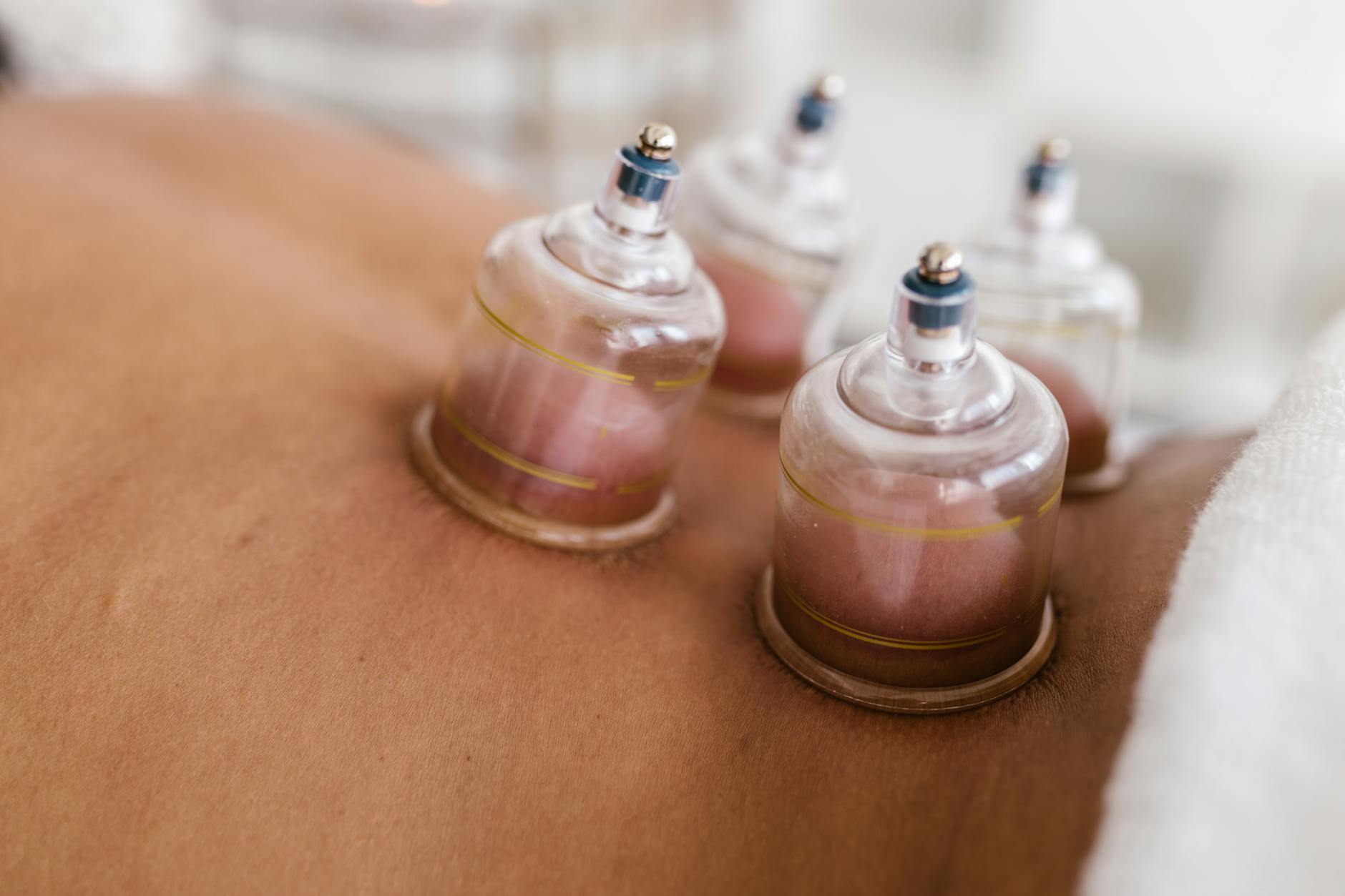
Cupping therapy uses negative pressure to create a vacuum seal within the cup. When the cup attaches to the skin, it sucks the skin and underlying tissues inside the cup – don’t worry it won’t fill the cup with your skin or get stuck. The cups easily pop off for easy removal.
Some of the ancient rituals aimed at improving the flow of energy throughout the body or even relieving the body of demons. But nowadays the science has proven what cupping therapy actually does, and there are a lot of benefits to it!
Types of Cupping
Before we get into the benefits, let’s talk about the different types of cupping that exist. Typically cupping is split into two categories: wet cupping and dry cupping.
Wet cupping is not something I offer, it would actually be illegal for me to do as a massage therapist in the US. However, for the sake of information, here is some quick information about wet cupping. Wet cupping is done with the intention of drawing blood out of the skin – hence the name wet cupping. Wet cupping is essentially a form of blood-letting and is often seen practiced in China, Korea, Eastern Europe, Northern Africa, and the Middle East.
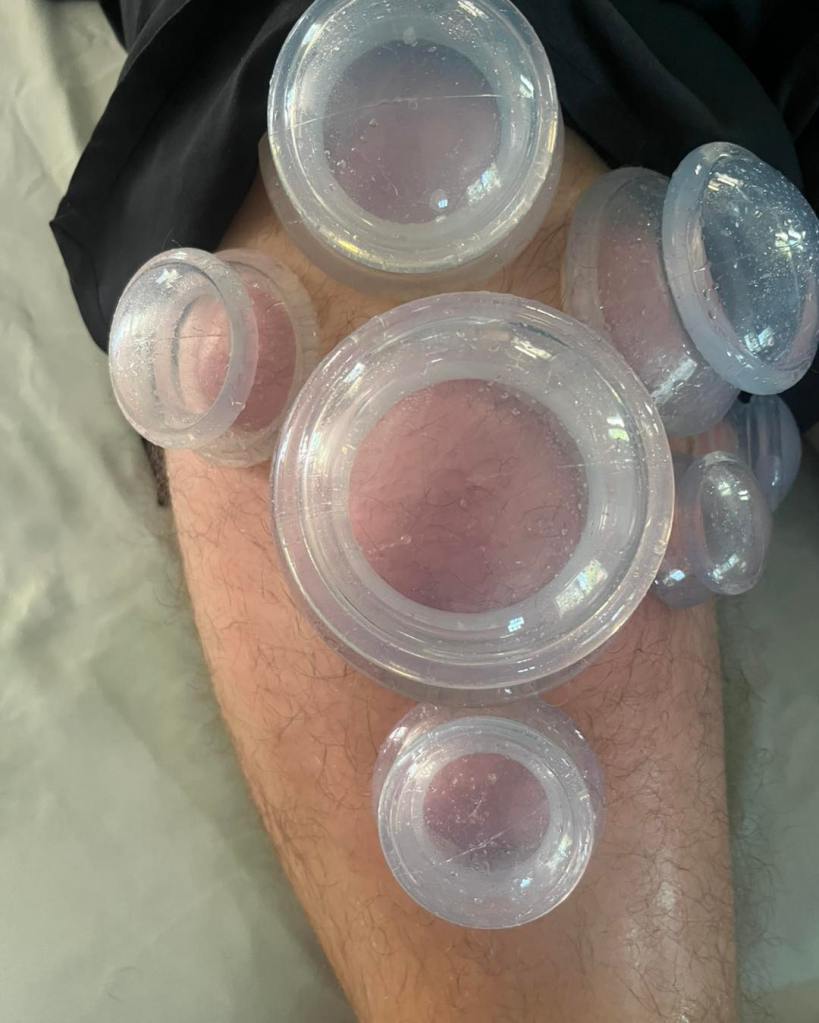
Dry cupping, although we use oil, is cupping without blood coming through the skin. There are many different types of cups that can be used. In my practice, I use a combination of glass, silicone, and plastic cups. Each one is used with a different intention, however, they can all be used interchangeably. I personally like the silicone ones the most because I find them to be the most versatile since I can use them stationary or while moving them around.
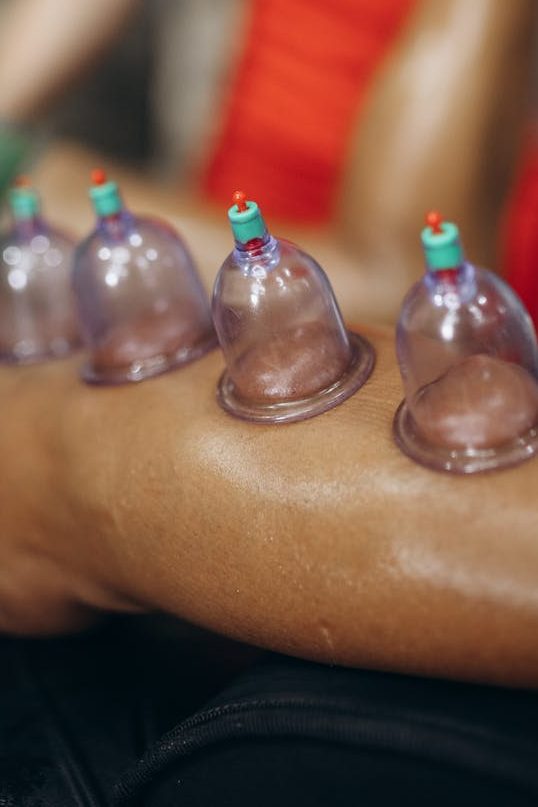
Fire cupping is a type of cupping you’ll see done, however, this is another modality I do not offer simply for safety reasons. If you can get the same benefit without potentially burning someone or yourself, it’s the better option in my opinion.
Benefits of Cupping
Originally, I thought that cupping was simply a way to help your muscles get more blood flow, oxygen, and release toxins. These are all things athletes and anyone with sore muscles can benefit from. However, there appear to be a lot more theories on the benefits cupping can have on the entire body, not just the muscles.
Because cupping is pulling on skin, muscular tissue, myofascia, and lymphatic structures, all of these are positively influenced. The suction brings blood flow to the area, which brings extra oxygen and nutrients. The negative pressure allows the blood, oxygen, and nutrients to pass through these structures more efficiently, which helps separate the tissues so they aren’t all squished together.
In the areas that cups are placed we see an increase in blood flow, capillary filtration rate, expulsion of filtered and interstitial fluid, and lymphatic uptake to the treated areas. All of this helps to remove accumulated fluids and waste products making the tissues healthier.
Some theories behind how cupping helps the body in other ways includes:
- The Pain Gate Theory – in this theory, stimulation of the peripheral nociceptors activates the large-fiber nerves. When this happens it reduces pain sensations and provides relief.
- The Reflex Zone Theory – with this theory, if you use cupping closer to where the autonomic nerves are, it can address the root cause of the restriction. This is one of those treatment types where we work on something in an area that seems to be irrelevant but could be the actual cause of your pain similar to when you’re experiencing shoulder pain but we work on lengthening the chest muscles to balance the muscular pull instead of just digging where it hurts. The reflex zone theory follows similar theories to the meridians in Eastern medicine and different somatic responses in osteopathic medicine.
- The Release of Nitric Acid (NO) Theory – cupping is very similar to acupuncture in how it affects the body. Since this is the case, it is believed that when cupping is done it stimulates more nitric oxide (NO) to be released. NO is associated with controlling blood flow, vasodilation, and blood volume. If this is the case, cupping can help with improved blood circulation and potentially reducing atherosclerosis.
- The Activation of the Immune System Theory – The first part to this theory is how cupping reduces inflammation. Inflammation is part of the immune system response and if we have even low levels of inflammation constantly, it never gives the immune system a break. If cupping done regularly can reduce inflammation, this gives the immune system the time it needs to recover. In addition to inflammatory control, it appears that cupping can help with stimulating the thymus gland, supporting the neuroendocrine system, help the body’s antioxidant processes, and improves the biochemical and chemical immune systems.
Side Effects and Contraindications of Cupping
With all those benefits you’re probably already on Amazon checking for a cupping set for yourself. (I approve this message!) However, there are some body areas and conditions where you shouldn’t have cupping done.
This is a list of contraindications for cupping therapy (who should not be doing cupping):
- Open wounds
- Blood clots and DVTs
- Bone fractures or breaks
- Organ failure
- Certain cancers or cancer treatments
- If you’re currently experiencing an infection or are on antibiotics for an infection
- Elevated serum cholesterol levels
- Cardiovascular disease
Some places will not allow you to get cupping done if you’re on your period or if you’re pregnant. These will typically go case by case or differ between practitioners. If it is done in a smart way and for specific reasons, you should still be okay as long as certain areas are avoided.
Some side effects that you can experience from cupping include:
- The most common one is the big marks left on your skin. While people call them bruises they aren’t really the same as a bruise and they shouldn’t hurt the way a bruise does.
- Skin irritation is a possibility especially for people who have sensitive skin. I have a history of eczema and have been fine every time I’ve used cups.
- Strange nerve sensations in areas that have sensitized or numb nerves.
- Headaches and dizziness may happen after cupping. Drinking water with lemon and electrolytes in it can help with this.
When should I have cupping done?
Deciding when to have cupping done is completely up to you and based on what goals you have. Many people look for cupping when they’re experiencing muscular pain from exercise. This is a great time to try cupping out.
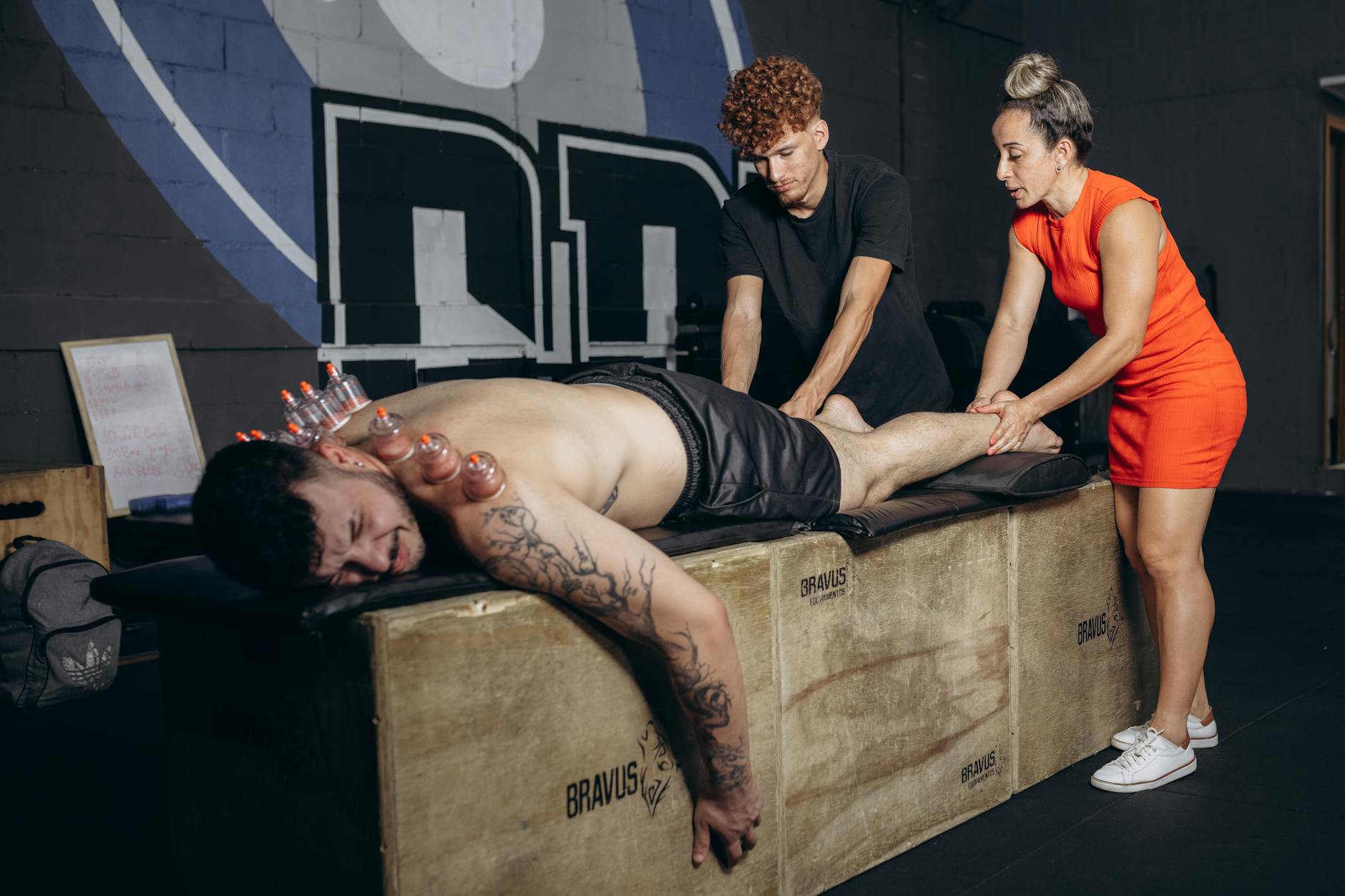
If exercise recovery is your main goal, getting it done as soon as possible after your workout will provide you with more relief than if you wait until the muscles become sore. If you’re preparing for an athletic event, you should have cupping done 1-2 days before the event. This gives your body time to process everything and your muscles enough time to be ready for the event.
If you’re looking for the relaxing effects from stationary cupping, you can have this done anytime. Make sure you’re able to rest after this because you will be very relaxed.
If you’re just looking for general wellness, you can have it done at any time and you’ll experience the benefits.
What to Expect at a Cupping Session
Cupping feels quite different compared to a normal massage. Since the cup sucks skin and other tissues up into the cup you can feel a few different sensations. The main thing you’ll feel is the cup pulling the skin up. However, you can expect some other feelings too, like:
- Numbness
- Tingling
- A prickly sensation
- Pinching – if you feel this for too long, let your therapist know so they can readjust the cup
All of these are normal and expected. If you experience severe pain in any way, talk to your therapist about it. Some pains are normal and will subside as the cup is on, while others indicate the cup should be reapplied.
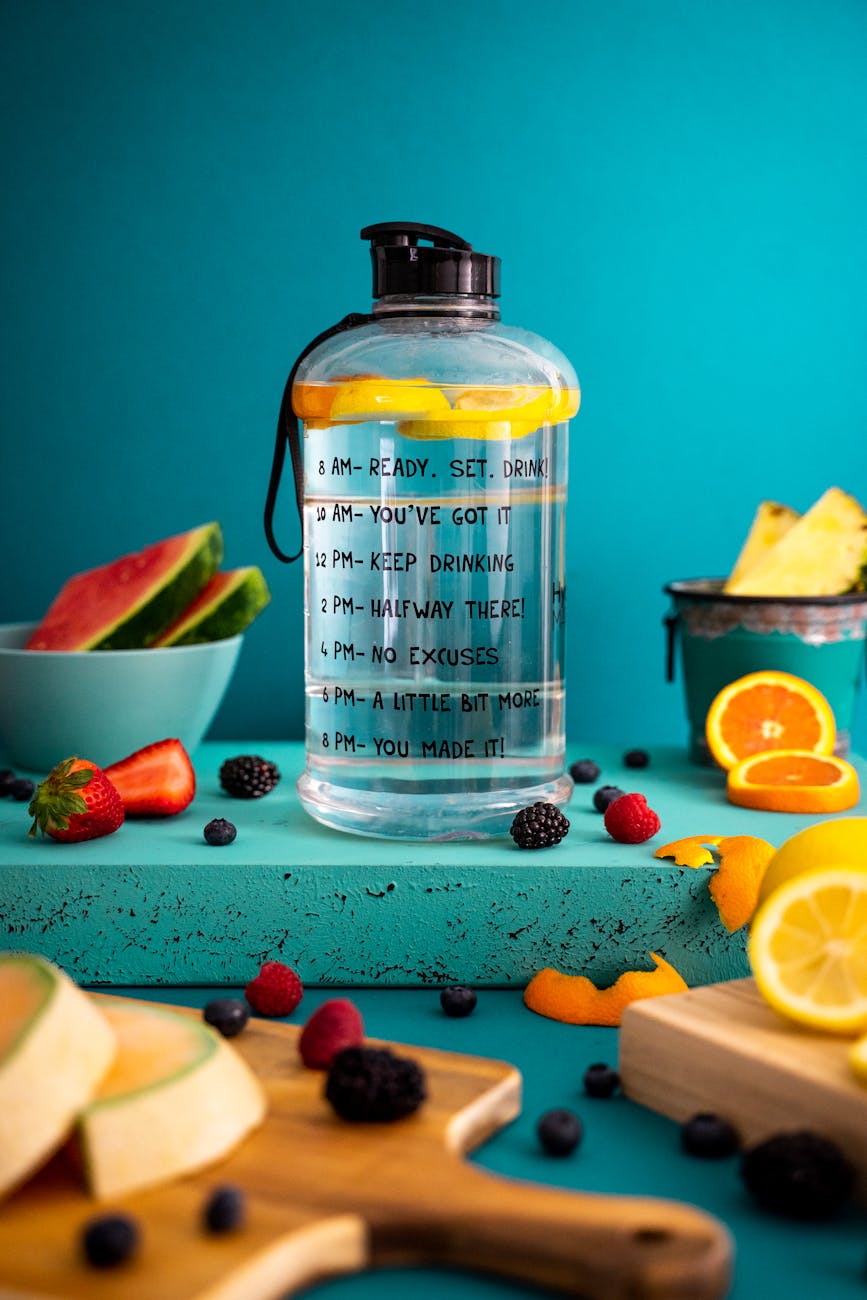
You’ll want to drink a lot of water before and after your session. Water intake helps with flushing the lymphatic system to remove waste products. It will also help reduce inflammation and keep the tissues hydrated.
Some people experience marking after cupping is done. This is also normal. They look like bruises but should not hurt the way a bruise does. These can last up to a week after the treatment. If you want to avoid marking from the cups, you can have your therapist move the cups around instead of leaving them stationary. You’ll have slightly different benefits from moving the cups, but they both acheive a similar result.
If you’re interested in trying cupping, let me know when you’re booking so I can make sure to bring them along. If you have any questions, leave them in a comment below or send an email to crystal@wholeisticallyyou.com. I can’t wait to hear what you think of cupping!
 Wholeistically You