I’m not sure how much you know about gut health, but it’s become pretty popular in recent decades. I do a lot of gut health research for one of my writing clients and it’s fascinating just how important the state of our gut is to our overall health. So today I’m going to share some of the research I’ve discovered about why gut health is important and some ways you can improve it!
What is gut health?
So you may not know much about gut health so let’s start there.
Gut health refers to the state of your gut microbiome. Your gut microbiome is part of your digestive system and it lives in your colon. And when I say lives in, I mean it quite literally.
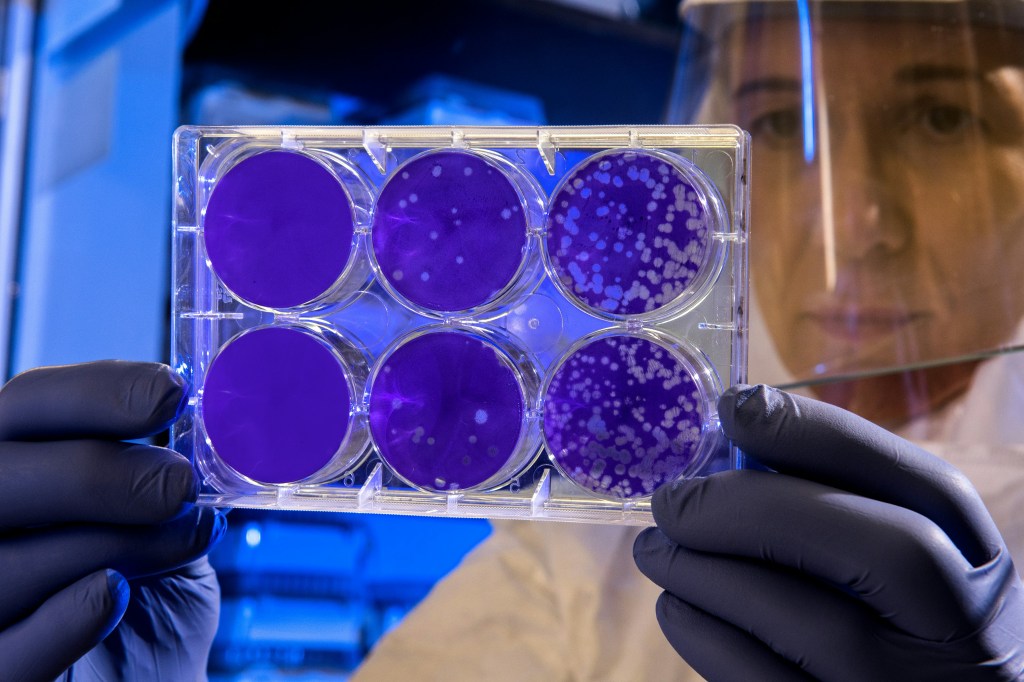
There are trillions of microorganisms like bacteria, protozoa, fungi, and others that live in your gut.
While that sounds like a sci-fi plot and maybe a little scary, they’re actually incredibly good for our health!
Microorganisms live all throughout our bodies and have specific jobs to do to help maintain our health. In the gut, bacteria help to:
- Further digest foods that aren’t completely digested by the rest of the digestive process
- Extract nutrients that we couldn’t access in our foods without them
- Send nutrients and other byproducts throughout our body so they can be used for proper maintenance and functioning
- Communicate with our other organs, microbiomes, and cells to ensure we stay healthy
Now this is all a best-case scenario.
How the Gut Affects Your Immune System
If you eat healthy foods it helps to keep the gut bacteria healthy as well.
However, if we start eating unhealthy foods, the balance of bacteria in our gut shifts and supports pathogenic (disease-causing) bacteria to grow and flourish. This disruption in the gut can be extremely harmful to our health because instead of sending nutrients and positive byproducts to help our health, it sends out destructive chemicals that harm our cells and health.

The pathogenic bacteria can cause the tight junctions in the intestinal barrier to weaken which then allows them to escape and float freely throughout your body. This becomes a problem because while the bacteria being in our gut are fine, as soon as they’ve entered other areas of our body the immune system is alerted and told there is an infection somewhere.
This sets off a cascade of events with the immune system and if it isn’t fixed quickly can lead to disease development and progression.
Inflammation is good for our bodies in the short term. It helps the body to repair things and get back to homeostasis. But when it is continually happening and doesn’t stop, your immune system becomes overworked and starts to work less efficiently. This sets you up to become sick more easily and leads the immune system to have a higher potential for dysfunction.
This is why the gut is often a target for autoimmune conditions. If we can repair the state of the gut, the inflammation calms down, and can avoid autoimmune flare-ups.
The Gut-Brain Axis
Your gut also has a large impact on your brain health.
Originally, the brain was thought to control everything in our bodies, and to an extent, that is still true. But the gut has been dubbed “the second brain” because it influences so much of what happens within our body — brain included.

The brain controls our nervous systems. The digestive tract uses the enteric nervous system (ENS) for communication from the brain. Within the ENS is the vagus nerve — a very large and influential nerve over the gut-brain connection.
The gut and brain communicate via:
- The ENS
- The vagus nerve
- Neurotransmitters (like serotonin and dopamine – more of these are created in the gut than the brain than you realize)
- Short-chain fatty acids (SCFA) and other postbiotics that the gut bacteria give off during/after fermentation
This means that if the gut is in healthy condition it can actually help support your brain health — meaning less brain fog, better moods, and improved cognitive function.
However, if you eat unhealthy foods it gives off damaging byproducts that promote inflammation leading to mood swings/conditions, inability to focus, and disorders of the brain. If you look at symptoms of most brain conditions, you’ll notice GI disturbances like bloating, diarrhea, and/or constipation on the list. This isn’t a coincidence, this is a link between the two and a large reason why gut health is so important.
While it is a two-way street and both affect each other in an endless loop, it’s much easier to naturally and directly alter the gut than the brain.
How to Naturally Improve Gut Health
With your gut influencing your brain and immune health so drastically, it’s obviously important to get your gut health under control. So here are some science-backed ways to improve your gut health through natural methods.

- First, you’re going to want to look at your diet. Following a diet that models the Mediterranean diet is the best way to start improving your gut health. The Mediterranean diet is full of healthy fats, fruits, vegetables, and protein. If you aren’t a fan of the spices or herbs used, it’s still a great model for ensuring you’re getting proteins and a lot of polyphenols, probiotics, and prebiotic-rich produce into your diet. This provides the body with essential nutrients and antioxidants that reduce inflammation and repair cells.
- Managing stress is another very important factor when trying to improve your gut health. Using massage therapy, cognitive behavioral therapy, gut-directed hypnotherapy, manual lymphatic drainage, or other relaxation techniques can not only help to reduce stress, but they can also help improve the gut microbiome.
- In addition to managing stress, you’ll want to make sure you’re getting enough sleep. These sort of go hand in hand but they do affect the gut in slightly different ways. Your gut is linked with your circadian rhythms and having a set sleep schedule can help to get your gut microbes in a good routine as well. The more consistent this routine is, the better your microdiversity becomes.
- Exercising on a regular basis (just 30 minutes/day 3-5 times per week) is enough to positively influence your gut microbiome. Gentle exercise modalities like yoga, walking, and tai chi are great ways to improve your gut health without causing too much strain. Weightlifting is another great option because of the cross-talk between your gut and muscles.
- Red light therapy is another interesting way to improve your gut health. If you’re struggling with energy levels and dysbiosis-related conditions, exercising and changing your diet might feel a little overwhelming to start. So using near-infrared light therapy (this type specifically) can help to modulate your gut microbiome in a positive way so you can begin to feel better and then have the energy to take on the other tasks. (This is the red light machine I have. I love it because it does both red light and near-infrared. I get no commission from sharing this, just really love the product. 🙂)
- Herbs and essential oils can also help with digestive issues. Some to consider include caraway, lavender, neroli/bitter orange, fennel, and peppermint.
- doTERRA has a great blend called DigestZen (contains peppermint, fennel, caraway, ginger, cardamom, and coriander) that we use anytime we have digestive issues in our house and I refuse to travel without it again. I didn’t bring it when we went to El Salvador and after the stomach issues we had there it’s the first oil I pack whenever we travel.
- doTERRA has a great blend called DigestZen (contains peppermint, fennel, caraway, ginger, cardamom, and coriander) that we use anytime we have digestive issues in our house and I refuse to travel without it again. I didn’t bring it when we went to El Salvador and after the stomach issues we had there it’s the first oil I pack whenever we travel.
DigestZen is free this month (Jan ‘25) with an LRP order of 125 PV or larger. Ginger oil is 10% off this month as well. Supporting all of your digestive needs!
If you’re looking to improve your gut health with manual lymphatic drainage, massage therapy, or essential oils, let me know by sending an email to crystal@wholeisticallyyou.com and I’ll help you in whatever way I can.
If you’re new to doTERRA but want to get your gut back on track and take advantage of these discounts use this link to get signed up! (Edit your cart as you need before checking out by adding/removing products you want)
____________________________________________________________
DISCLAIMER: This article is purely informational — see linked sources for studies where information has been found. None of the information here should be taken as medical guidance and you should consult with your primary care physician before making any changes to medications or adding in anything new.
Resources:
https://pmc.ncbi.nlm.nih.gov/articles/PMC10334151/
https://pmc.ncbi.nlm.nih.gov/articles/PMC7927055/
https://pmc.ncbi.nlm.nih.gov/articles/PMC4367209/
https://pmc.ncbi.nlm.nih.gov/articles/PMC9455721/
https://pmc.ncbi.nlm.nih.gov/articles/PMC7313091/
https://pmc.ncbi.nlm.nih.gov/articles/PMC6779243/
https://pmc.ncbi.nlm.nih.gov/articles/PMC5357536/
https://pmc.ncbi.nlm.nih.gov/articles/PMC10835098/
https://pubmed.ncbi.nlm.nih.gov/20030464/
 Wholeistically You